
 EN
EN



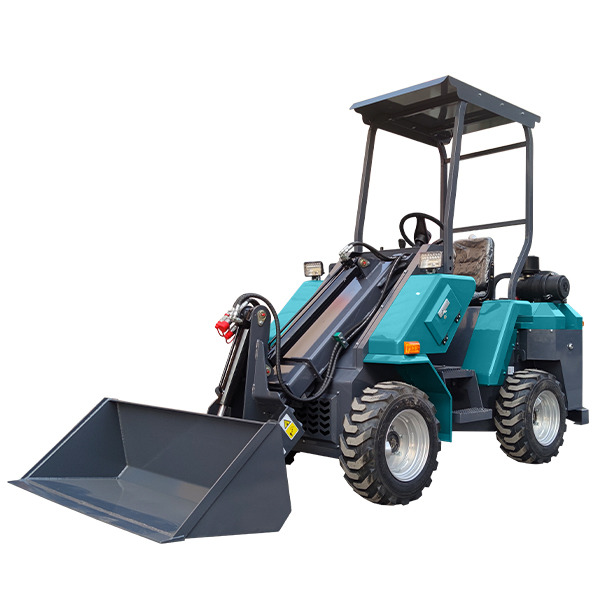
Diesel or Electric: Matching Skid Steer Power Source to Your Job Site Reality
The construction equipment industry is undergoing the same electrification shift that reshaped automotive manufacturing a decade ago. Electric skid steer models now appear in manufacturer lineups alongside traditional diesel workhorses. For fleet managers and equipment buyers, the question is no longer whether electric skid steers exist — it is whether they deliver practical value for specific job site conditions.
Understanding Electric Skid Steer Performance Characteristics
How Battery Architecture Shapes Runtime and Productivity
An electric skid steer replaces the diesel engine, fuel tank, and exhaust system with a battery pack and electric drive motors. Typical configurations use lithium iron phosphate (LiFePO4) battery packs ranging from 40 kWh to 80 kWh capacity, delivering 4–8 hours of continuous operation depending on workload intensity. High-draw attachments — cold planers, trenchers, mulchers — consume power faster than material-handling tasks like pallet fork work or light grading.
Runtime variability is the single largest consideration buyers must evaluate honestly. A manufacturer-quoted 6-hour runtime at 60% load translates to roughly 3–4 hours of heavy bucket work or 5–6 hours of light material handling. For single-shift indoor demolition or renovation projects where diesel exhaust requires expensive ventilation, the electric skid steer's zero-emission operation alone justifies the equipment choice regardless of runtime limitations.
Charging infrastructure adds another layer to the decision. Most electric skid steers charge from 20% to 80% capacity in 2–3 hours on 480V Level 3 chargers, or 6–8 hours on standard 240V connections. Job sites without prepared charging stations must factor generator or temporary power installation into project planning.
Total Cost of Ownership: Electric vs. Diesel Over Five Years
Electric skid steers carry a purchase premium of 25–40% over equivalent diesel models — a gap that narrows each year as battery costs decline. The offset comes from operating costs: electricity costs roughly 60–70% less per operating hour than diesel fuel at average commercial rates, and electric drivetrains eliminate engine oil changes, diesel particulate filter (DPF) regeneration cycles, and most consumable filter replacements.
A diesel skid steer accumulating 1,500 operating hours annually might incur 8,000–12,000 in fuel, oil, and filter costs. The equivalent electric skid steer at 1,500 hours consumes approximately 3,000–4,500 in electricity costs with minimal consumable maintenance — a $5,000–7,500 annual savings that recovers the purchase premium within 3–5 years.
Ideal Applications for Electric Skid Steer Deployment
Indoor Construction, Demolition, and Renovation
The strongest use case for electric skid steers is enclosed or partially enclosed job sites where diesel emissions create regulatory or practical problems. Hospital renovations, occupied office building retrofits, food processing facility construction, and underground parking structure work all benefit from zero-emission operation. Ventilation costs for diesel equipment in these environments often exceed $500–1,000 per week — costs that electric equipment eliminates entirely.
Municipal contracts increasingly specify low-emission or zero-emission equipment requirements for publicly funded projects, particularly in European and North American markets where Jining Aide Machinery has established distribution networks. Equipment buyers serving these markets gain competitive bidding advantages with electric equipment in their fleet inventory.
Noise-Sensitive Environments
Electric skid steers operate at roughly 65–75 dBA at the operator station versus 85–95 dBA for diesel equivalents — a difference that is perceptually significant because every 10 dBA increase represents a doubling of perceived loudness. Nighttime construction near residential areas, hospital campus work, and school renovation projects benefit from this noise reduction. Some municipalities enforce nighttime noise limits that diesel equipment cannot meet without supplementary sound barriers.
Real-World Deployment Experience
A facilities management contractor servicing a chain of occupied retail locations in Germany found diesel skid steer deployment required after-hours work scheduling, temporary ventilation, and carbon monoxide monitoring during every interior renovation. After adding two battery-electric compact loaders to their fleet — running 4–5 hour shifts with mid-day charging during crew breaks — the contractor eliminated ventilation setup costs, reduced noise complaints to zero, and gained the ability to work during business hours in occupied spaces. Project completion times shortened by roughly 30% because crews no longer waited for after-hours access windows. Jining Aide Machinery, with 10+ years in compact equipment manufacturing, has observed similar operational shifts across its European distributor network as electrification adoption accelerates.
Frequently Asked Questions
How long do electric skid steer batteries last before replacement?
Lithium iron phosphate battery packs typically retain 80% of original capacity after 2,500–3,000 full charge cycles — roughly 7–10 years of single-shift operation. Battery replacement cost currently ranges from $8,000–15,000 depending on pack size, a figure declining approximately 8–10% annually as manufacturing scales.
Can an electric skid steer operate outdoors in winter?
Yes, though cold weather reduces battery range by 15–25% at temperatures below -10°C. Battery thermal management systems in modern electric skid steers preheat cells before operation. Storing equipment in heated spaces or on trickle chargers when temperatures drop below freezing preserves available runtime.
What attachments work with electric skid steers?
Standard universal quick-attach systems accept the same buckets, forks, augers, brooms, and graders as diesel skid steers. High-flow hydraulic attachments may draw more power than standard-flow variants — verify hydraulic flow compatibility with the specific electric model before purchasing attachments.
Are electric skid steers heavier than diesel models?
Battery packs typically add 500–1,200 kg versus equivalent diesel models — increased weight that can improve stability during lifting operations but may require trailer and transport planning adjustments. Verify trailer and tow vehicle ratings before purchasing an electric skid steer for mobile fleet deployment.
What safety certifications apply to electric skid steer equipment?
Electric construction equipment must meet the same ROPS/FOPS (Roll-Over/Falling Object Protective Structure) standards as diesel equipment under ISO 3471 and ISO 3449. Electrical system safety follows IEC 60204 for machinery electrical equipment. Jining Aide Machinery's CE-certified and ISO 9001 manufacturing ensures compliance with international safety frameworks.
Does regenerative braking extend electric skid steer runtime?
Most electric skid steers capture 5–10% of energy through regenerative braking during deceleration — a modest but meaningful contribution during stop-and-go material handling cycles. The primary range extension strategy remains matching battery capacity to the shift's actual workload profile rather than relying on regeneration gains.